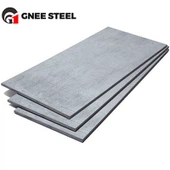
ASTM A633 Grade C and Grade D are both normalized, high-strength, low-alloy (HSLA) structural steel plates designed for low-temperature toughness, but Grade D offers higher strength, with a minimum 50 ksi (345 MPa) yield for thinner plates (up to 2.5 in.) and slightly higher tensile strength than Grade C, while Grade C also offers 50 ksi yield but has lower tensile strength specs and slightly different carbon content, both used in heavy construction, offshore structures, and equipment where durability in cold conditions is key.
Both are for demanding, low-temp applications (like offshore platforms, heavy machinery) requiring good toughness.
Grade D generally has slightly higher strength properties (tensile), making it better for certain higher-stress applications compared to Grade C, though both share the same minimum yield strength in common thicknesses.
Chemical composition % of the Product analysis of grade A633 Grade C
|
C |
|
|
P |
S |
|
N |
|
0.20 |
0.15-0.50 |
1.15-1.50 |
0.035 |
0.04 |
|
|
|
|
|
|
|
|
|
V |
|
|
|
|
0.01-0.05 |
|
|
|
Mechanical properties of grade A633 Grade C
|
|
-35 |
-20 |
0 |
25 |
|
Notch impact test. Min. absorbed energy J |
41 |
54 |
61 |
68 |
|
|
to 65 |
65 - 100 |
100 - 150 |
|
ReH - Minimum yield strength (MPa) |
345 |
315 |
|
|
|
To 65 |
65- 100 |
100-150 |
|
Rm -Tensile strength (MPa) |
485-620 |
450-590 |
|
|
|
200 |
50 |
|
A - Minimum elongation Lo=5,65 √ So (%) Longitudinal |
18 |
23 |
Chemical composition % of the Product analysis of grade A633 Grade D
|
C |
|
|
P |
S |
|
N |
|
0.20 |
0.15-0.50 |
0.70-1.35 |
0.035 |
0.04 |
|
|
|
|
|
|
|
|
|
V |
|
0.25 |
0.35 |
0.08 |
|
O.25 |
|
|
Mechanical properties of grade A633 Grade D
|
|
-35 |
-20 |
0 |
25 |
|
Notch impact test. Min. absorbed energy J |
41 |
54 |
61 |
68 |
|
|
to 65 |
65 - 100 |
100 - 150 |
|
ReH - Minimum yield strength (MPa) |
345 |
315 |
|
|
|
To 65 |
65- 100 |
100-150 |
|
Rm -Tensile strength (MPa) |
485-620 |
450-590 |
|
|
|
200 |
50 |
|
A - Minimum elongation Lo=5,65 √ So (%) Longitudinal |
18 |
23 |